How it works
The difficulty in making a pumpkin stencil is the balance between how good it looks and how sturdy it actually is. It is easy to get a good-looking stencil out of an AI image tool, and most of what comes out cannot be carved – pieces sit there with nothing holding them, or the connections are too thin to survive the knife. It is just as easy to make something strong with almost no detail in it, like the classic two eyes and a mouth. Custom Pumpkin does both at once. It makes a stencil that still looks like your picture, and it makes sure that stencil will hold together.
First you upload an image. It can be a photo, a piece of clip art, a logo, or anything else.
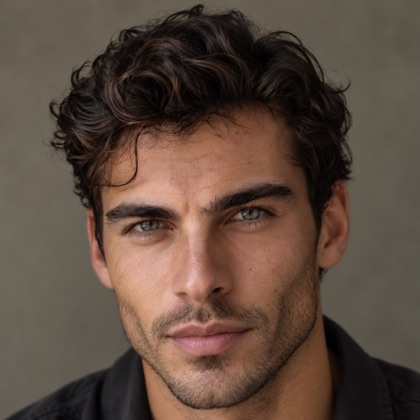
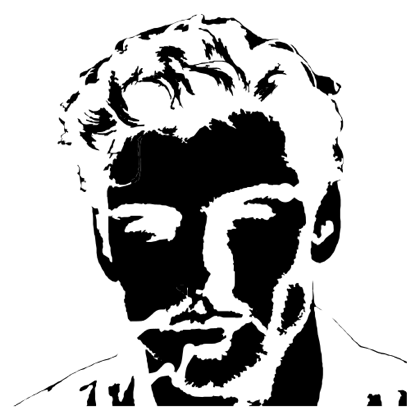
We then run a number of image processing algorithms and use machine learning to turn it into either an outline or a two-tone drawing. The subject is separated from the background and read as a foreground subject rather than as a field of pixels, and every part of the picture becomes either a cutout or left as-is in the pumpkin – black is what gets cut away.
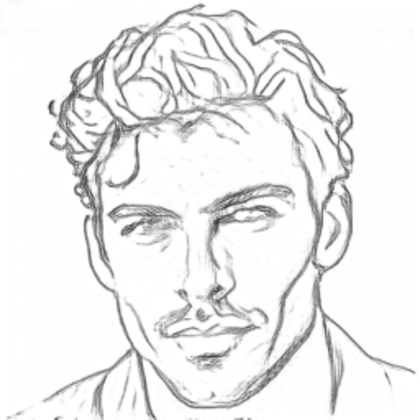
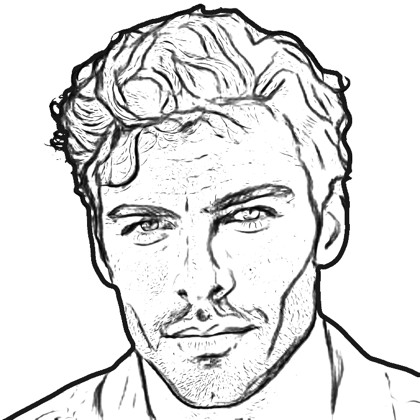
For an outline, the lines are found, weighed for how much of the subject they really carry, and then thickened until every one of them is wide enough to actually be carved.
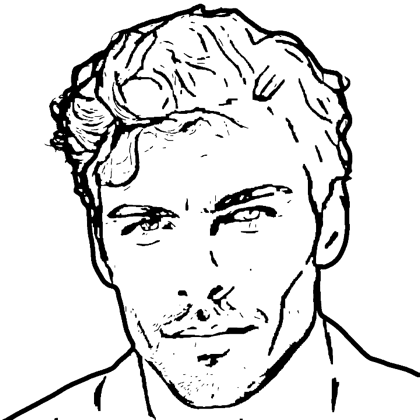
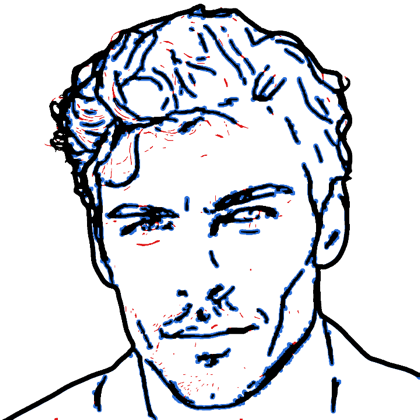
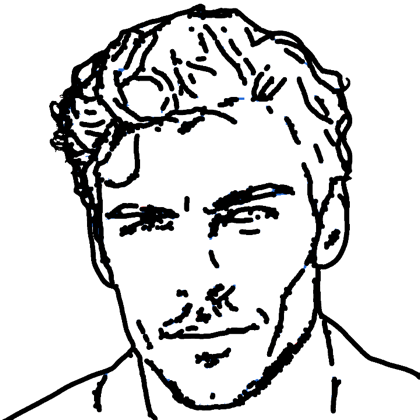
For two tones it is the light and shade that are read instead, and the picture is reduced to solid areas of pumpkin and cutouts.
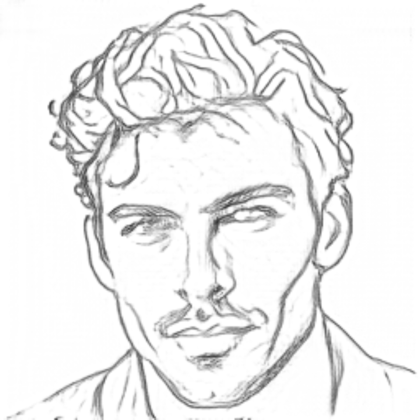
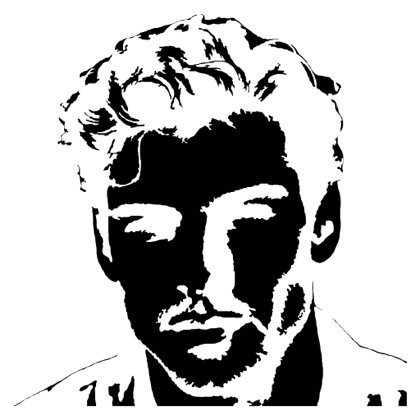
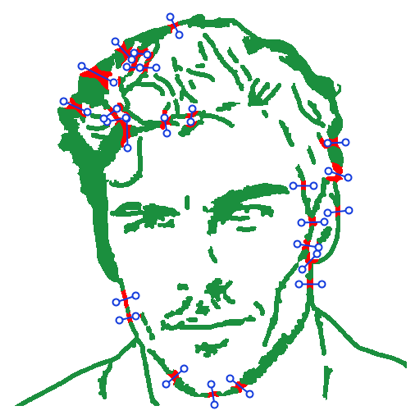
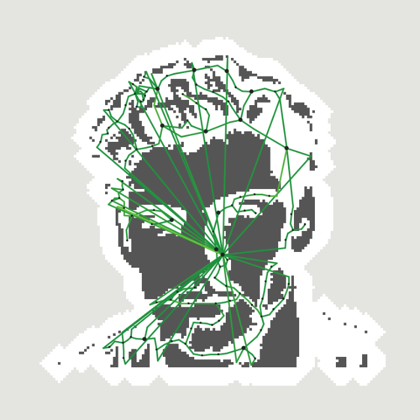
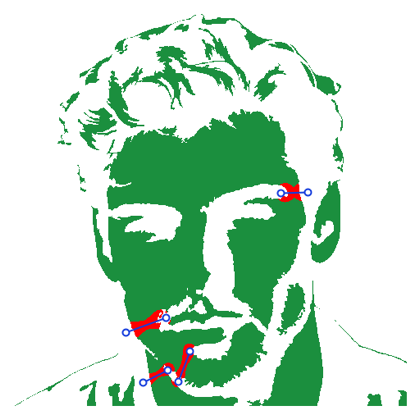
Once that black and white stencil exists, we run a full physics simulation of the pumpkin carving. The design becomes a frame of beams, loaded under its own weight and the push of a knife, and every piece is checked for how it connects to the rest so that nothing can fall out. Every strip of pumpkin that could hold a loose piece is a potential candidate shown in red staple-looking connections below. This is similar to checking that the framing of a house is strong and everything holds together.
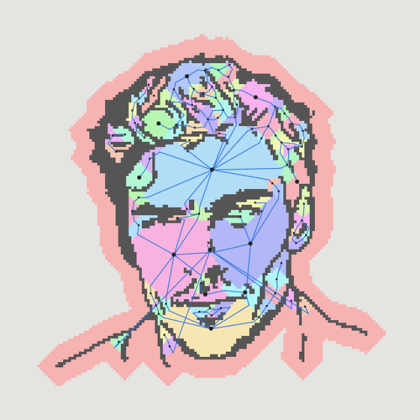
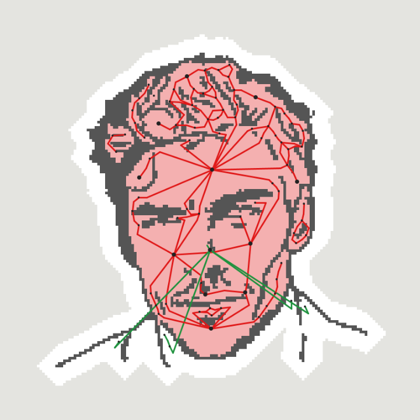
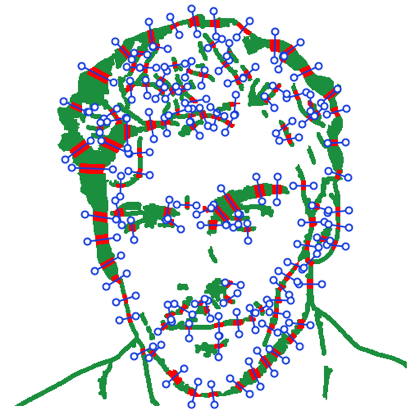
We check each connection – its thickness and its orientation, which decide the shear and compression it has to carry. Most of the candidates are thrown away, and what survives is the fewest and thinnest that still hold the design together. The software works out the placement that is both structurally sound and keeps the same look, and you see the result before you print anything.
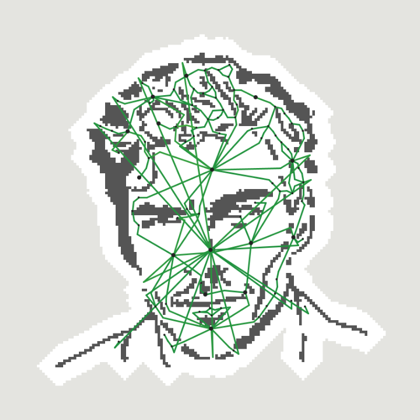
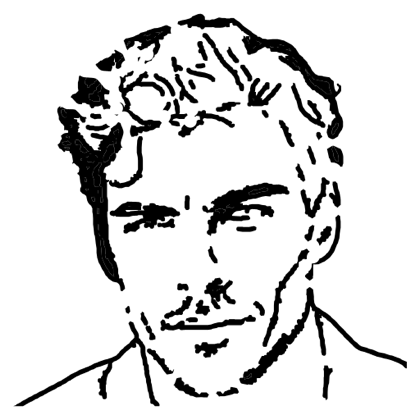
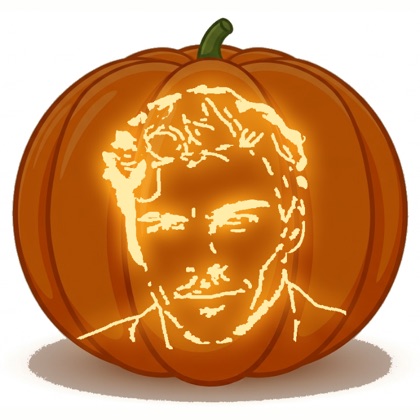
For two-tone stencils, we make the connections look more natural, so that they blend into the image.
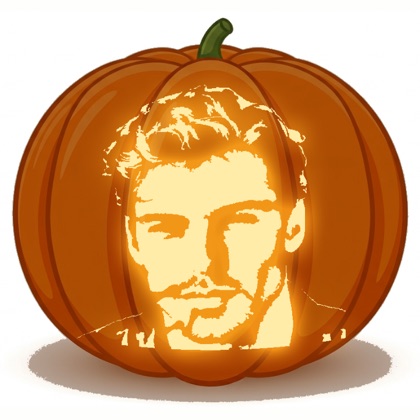
That is the approach that makes Custom Pumpkin different – stencils that look good and are strong.